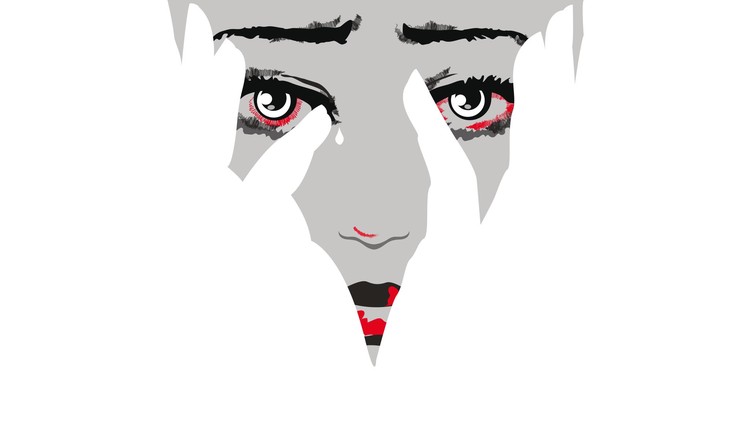
As awareness spreads about there being something wrong with existing approaches to “psychosis” aka “madness,” interest grows in exploring what to do instead.
One interesting meeting place for exploring “what to do” will be the ISPS conference in NYC in March 2015, which is titled “An International Dialogue on Relationship and Experience in Psychosis.”
This conference promises to stand out in terms of the variety of voices, perspectives, approaches and traditions that it will bring together to focus on the deeper issue of how helpers can best understand and interact with those experiencing what is called psychosis.
I’ve been a member of ISPS (The International Society for Psychological and Social Approaches for Psychosis) for many years now; I currently serve as chair of the education committee for the US branch of ISPS and I’m the lead moderator for its US list serve. What keeps me interested in this group and its discussions is the focus on understanding psychosis in depth, the willingness to look at it from a lot of angles, and the interest in service models that address the true complexity of the issues people face while maintaining hope for understanding and integration, not just the suppression of unwanted experiences.
In some important ways, the subject of how to make sense of psychosis cannot be separated from the subject of how we make sense of our own existence at its deepest levels. Often it seems there are a wide variety of possible ways to make sense of things, but then there is the challenge of how to make sense of all these possible explanations and perspectives, and how to talk to each other so that we can share our experience and work together in various ways. This problem can exist at various levels: within and between the “parts” of an individual mind, between an individual in crisis and someone trying to help that individual, and between and amongst all those who together form a mental health system or even a culture, etc.
The best approach to these potentially bewildering and overwhelming issues seems to be dialogue, a dialogue which doesn’t determine any final answers, but does improve relationships at various levels, and encourages multiple approaches to understanding.
I value the dialogues I have found within ISPS: these dialogues have allowed me to improve my understanding of madness and to increase my ability to communicate what I understand to diverse individuals and audiences. I think if we are ever going to shift society and the mental health system into a wiser approach to extreme experiences, we all need to find such opportunities for dialogue so we can hone our ability to connect with people coming from a variety of different backgrounds and levels of understanding.
The international conference in NYC aims to compress a lot of such dialogues into just a few days! This conference will bring together not just people from all over the world but also people holding a wide variety of perspectives: psychiatrists, other mental health professionals, people with lived experience, family members; and people from schools of thought as varied as psychodynamic, CBT, Open Dialogue, Art Therapy, the Hearing Voices Movement, and biomedical perspectives.